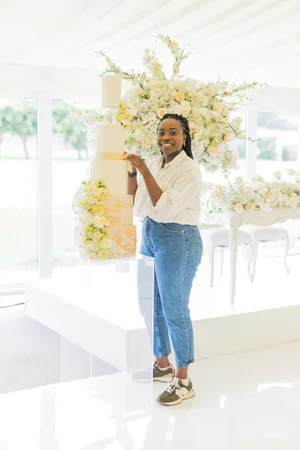
How to plan a wedding cake that is multicultural and combines cultures
Weddings are a celebration of love—but for many modern couples, they’re also a celebration of heritage. When two cultures come together, every detail becomes an opportunity to tell a richer story, and the wedding cake is no exception.
A multicultural wedding cake is more than a dessert. It’s a symbol. A meeting point. A sweet, shared moment where flavours, traditions, and family histories blend into something entirely new. Whether you’re honouring two distinct cultures or weaving together several influences, planning a cake that feels intentional (and delicious) is all about thoughtful design, open conversation, and a little creative magic.
Here’s how to plan a wedding cake that honours multiple cultures—without compromising style, flavour, or meaning.
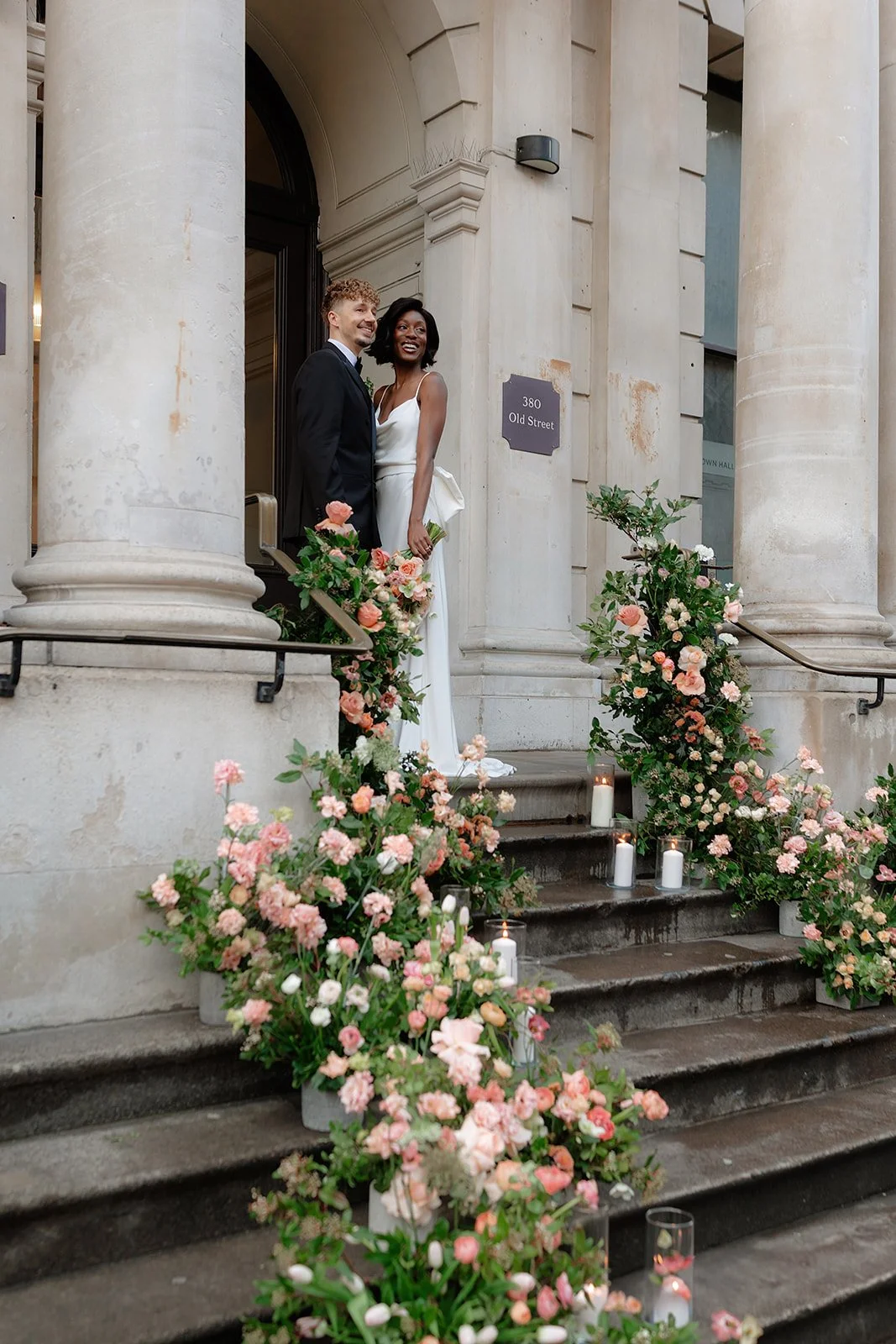
@wolfshootsweddings
Start With the Story, Not the Sugar
Before talking tiers, flavours, or buttercream, begin with the why.
Ask yourselves:
Which cultural traditions feel most meaningful to each of you?
Are there symbolic flavours, ingredients, or desserts tied to family celebrations?
Is there a traditional wedding sweet that must be honoured?
Do you want the cake to feel like a fusion—or a balance of distinct elements?
For example, one partner may associate weddings with rich, nutty baklava, while the other grew up with light sponge cakes layered with fresh fruit and cream. Neither has to be sacrificed. The goal is to translate those emotional touchstones into a cake that reflects both of you.
This early clarity makes every design decision more grounded—and more personal.
Blend Cultures Through Flavour First
Flavour is often the most powerful (and joyful) way to honour culture.
Instead of choosing a single “safe” option, consider:
Multiple tiers with different flavour profiles, each inspired by a cultural tradition
Fusion flavours, like cardamom vanilla sponge, coconut tres leches, or matcha white chocolate
Traditional ingredients reimagined, such as pistachio, rose, honey, sesame, mango, or dates
A multicultural wedding cake doesn’t have to scream “theme.” Subtlety is key. Think familiar flavours with elevated execution—comforting, yet refined.
And remember: texture matters just as much as taste. Pairing a dense, celebratory cake style with a lighter tier can beautifully mirror the coming together of two traditions.

@elliemac.photography
Use Design to Tell a Shared Visual Language
Design is where cultures can truly converse.
Rather than splitting the cake down the middle, look for ways to weave influences together harmoniously:
Hand-painted patterns inspired by traditional textiles or motifs
Piped Florals that reflect blooms significant in each culture
Architectural elements like arches, tiles, or embroidery-inspired piping
A neutral base palette with culturally inspired accents
This approach keeps the cake feeling modern and cohesive, rather than divided.
For couples who want to honour tradition more explicitly, another elegant option is to pair a contemporary main cake with smaller ceremonial desserts displayed alongside it—allowing each culture to shine without visual competition.
Respect Symbolism
In many cultures, desserts carry deep symbolic meaning—prosperity, fertility, longevity, and abundance. It’s worth asking family members or elders about any customs tied to wedding sweets.
For example:
Certain ingredients may be considered lucky (or unlucky)
Colours like red, gold, or white may hold specific meaning
The act of cutting or sharing the cake may follow tradition
You don’t need to follow every rule—but being aware allows you to honour what matters most while making intentional choices. Often, families feel deeply seen simply by being asked.
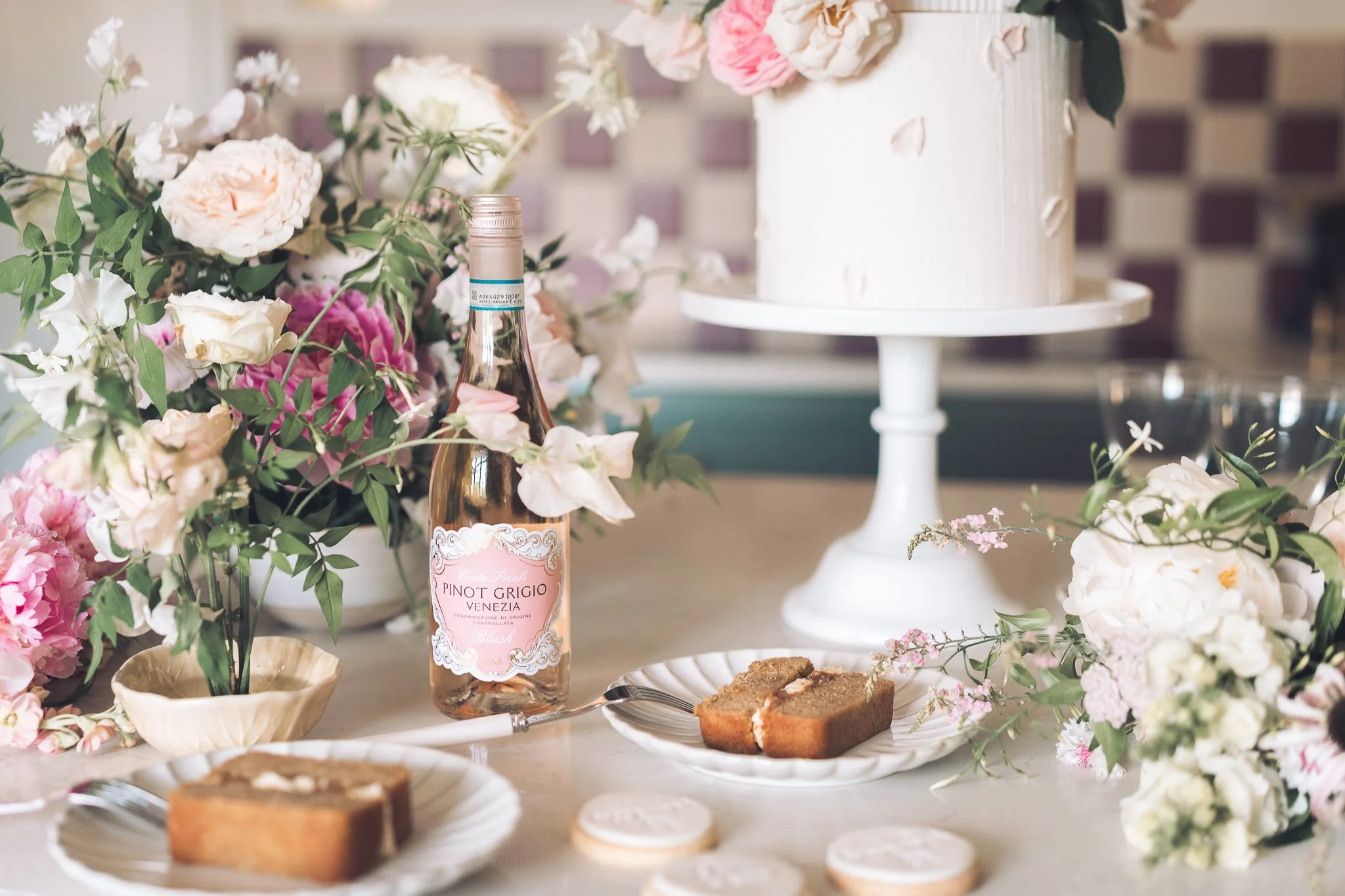
@elliemac.photography
Consider Dietary Traditions and Preferences
Multicultural weddings often bring diverse dietary needs to the table.
When planning your cake, think about:
Halal, kosher, or vegetarian considerations
Alcohol-free flavouring options
Lactose-free or egg-free recipes inspired by traditional desserts
Clearly labelled tiers or accompaniments for guests
An experienced baker can guide you toward solutions that maintain flavour and integrity without compromise. Inclusion is a form of hospitality—and your cake can be part of that care.
Choose a Baker Who Understands Cultural Nuance
Not every baker is equipped to handle a multicultural wedding cake—and that’s okay.
What matters is finding someone who:
Listens with curiosity and respect
Is open to research and collaboration
Has experience working with global flavours or techniques
Values storytelling as much as aesthetics
Bring reference photos, family recipes, or even childhood memories into your consultation. The more context you share, the more meaningful the final cake will be.
A great baker doesn’t just replicate tradition—they translate it.
Balance Tradition With Personal Style
At the heart of it all, this is your wedding.
You’re not obligated to recreate tradition exactly as it’s always been done. Some couples lean heavily into heritage; others prefer a lighter nod. Both are valid.
Your multicultural wedding cake can be:
Deeply traditional in flavour, modern in design
Minimalist with symbolic details
Bold, colourful, and unapologetically expressive
The most beautiful cakes are the ones that feel honest.
@katydurnphotographics
A Sweet Symbol of What’s to Come
A multicultural wedding cake is more than a showpiece—it’s a promise. A reminder that love doesn’t erase difference; it celebrates it. That two histories can stand side by side, layered together, creating something richer than either could be alone.
When planned with intention, your cake becomes a shared language—one that guests may not fully understand, but will absolutely taste.
And that, truly, is where the magic lives.